


Written by Aiza Rehman
Waswas al qahri, which means “overwhelming whisperings” in Arabic, is a complex mental health disorder found in Muslim populations. Waswas is a presentation of obsessive-compulsive disorder (OCD); it refers to intrusive, repetitive thoughts whispered by Shaytan that cause doubt, fear, or distress. It is important to recognize that these thoughts are not a reflection of Islamic faith, as they are unwanted and not sinful.
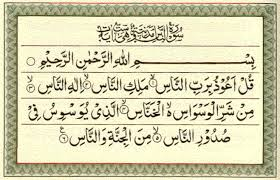
“From the evil whisperer who withdraws (at the mention of Allah), who whispers in the breasts of mankind, from among the jinn or mankind” (114:4-5). In this verse, Surah An-Nas describes Shaytan’s subtle yet persistent attempts to lead people astray by planting evil suggestions in their hearts, while retreating when Allah is remembered.
When Waswas invades the mind, what does Allah urge us to do? Surah Al-A’raf (200–201) explains that when touched by Shaytan, believers should seek refuge in Allah, and through remembrance, they will regain clarity. This highlights an important balance: turning to Allah is essential, but it should not turn into overwhelming or compulsive behavior. Acts such as wudu, salah, and reciting protective surahs should remain intentional and calming—not fear-driven or excessive. Worship is meant to bring peace, while compulsions are repetitive and never fully relieving.
To better understand the psychological perspective of Waswas, insights from Dr. Afshana Haque, a counselor at the nonprofit Stones to Bridges with nearly 15 years of experience, provide valuable context. Dr. Afshana explains that while everyone experiences intrusive thoughts or sadness, it becomes a clinical concern when these symptoms begin to interfere with daily life. At that point, it is important to evaluate psychological factors rather than assuming the struggle is purely spiritual. Islam itself supports this understanding. Waswas does not make someone a bad Muslim; even in Surah Taha (20:120), Shaytan whispered to Adam and Eve. This shows that intrusive thoughts are part of the human experience, not a sign of weak faith. However, Dr. Afshana emphasizes that individuals should not automatically attribute all distress to Shaytan, as it may instead be a psychological condition that requires proper attention and care.
When these thoughts become overwhelming, they can begin to affect a person’s relationship with Allah. Dr. Afshana notes that OCD can make practicing religious rituals increasingly difficult, often leading to feelings of shame, guilt, and doubt. Over time, individuals may even feel frustrated or distant from Allah. Because of this, she takes a compassionate approach, reminding individuals that Allah is merciful and that their struggles are not their fault. Healing, she explains, should begin with gradual steps—starting small and reinforcing the belief that Allah does not intend hardship and will never turn away from those who seek Him. Treatment for Waswas often requires both psychological and spiritual support. According to Dr. Afshana, clinical approaches such as exposure therapy and, in some cases, medication, can help manage symptoms. She highlights that “what you pay attention to will grow,” meaning that focusing on calm and rational thoughts rather than intrusive ones can gradually reduce their intensity. At the same time, maintaining simple and consistent acts of worship—without excess—can help ground individuals without reinforcing compulsions.
Dr. Afshana also stresses the importance of seeking professional help rather than attempting to self-diagnose. Many individuals delay reaching out, but proper diagnosis and treatment should be left to trained professionals. Just as someone would seek glasses for poor vision, seeking mental health support should be viewed as a normal and necessary step. Confidentiality ensures that individuals can access help without fear or stigma.
Additionally, Dr. Afshana highlights the importance of support systems. Effective treatment often involves both mental health professionals and knowledgeable religious leaders who understand Islam. Therapy should respect a person’s beliefs while addressing their psychological needs, recognizing that each individual’s experience is unique. For younger individuals, Dr. Afshana emphasizes the importance of building a personal relationship with Allah. This includes understanding who Allah is, speaking to Him openly, and seeking His guidance regularly. Just like any relationship, connection grows through communication and trust. Being part of a supportive and positive environment can also help individuals feel less alone. For parents and adults, she stresses the importance of educating themselves about mental health, reducing stigma, and understanding how to properly support those who are struggling.
Ultimately, Waswas is not a reflection of one’s connection with Allah. Seeking refuge from the whispers of Shaytan is not about eliminating thoughts entirely, but about refusing to give them power. Through a balance of faith, knowledge, and professional support, individuals can learn to manage these thoughts and strengthen both their mental well-being and their relationship with Allah.
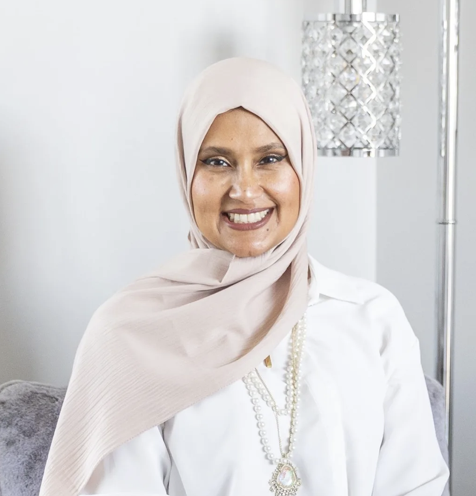
Dr. Afshana Haque is a licensed marriage and family therapist & supervisor at her private practice (https://afshanahaquetherapy.com/). She earned her doctoral degree at St Mary’s University and has worked with Muslim families for almost 20 years. Over the span of her career, she has worked in multi-disciplinary settings including Methodist Hospital, DePelchin Children’s Center, and AIGB-True Results Bariatric Clinic. Dr. Haque has published in several books and prestigious journals about the mental health and relational challenges of Muslims. She also regularly writes for Stones to Bridges’ helping Muslim youth around the world navigate personal and family struggles. Dr. Haque enjoys non-profit work as well and helped establish the Center for Refugee Services in San Antonio, TX in 2010. She has also worked as a professor of marriage and family therapy at the University of Houston, Clear Lake for 7 years before committing to full time private practice. She is a regular speaker in the Houston Muslim community and provides educational workshops.